

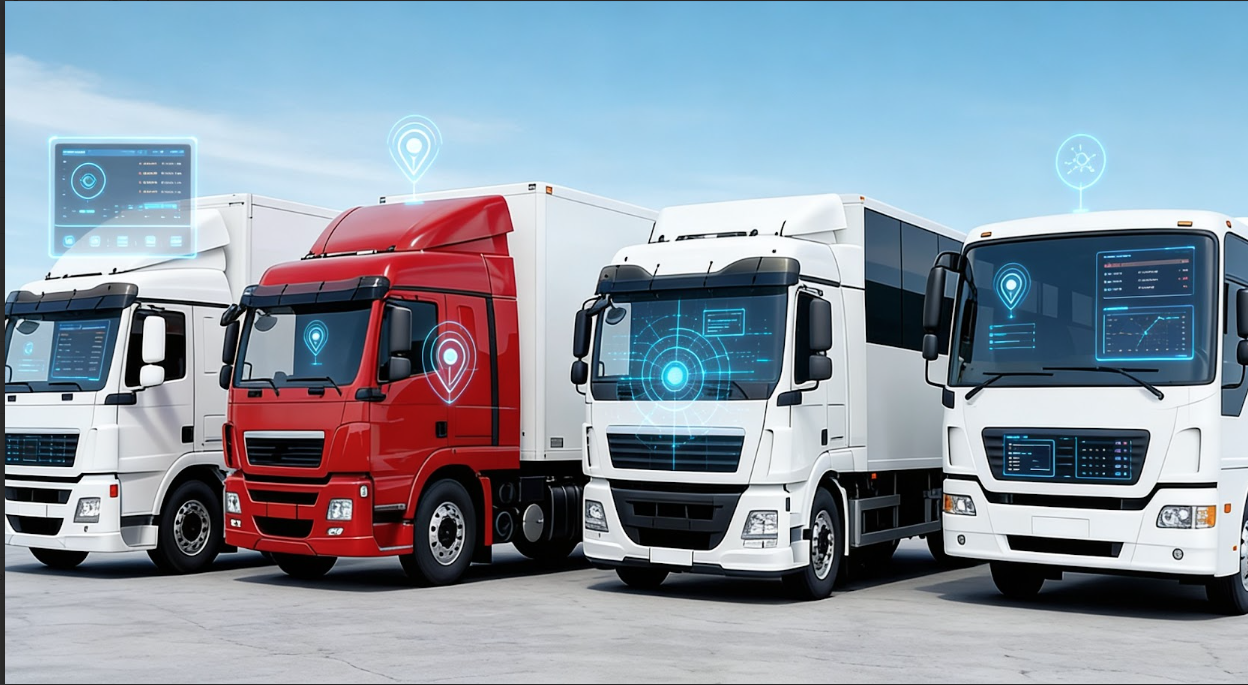
Predictions about fleet technology tend to age badly. Five years ago, half the industry was convinced autonomous trucks would be hauling freight coast-to-coast by now. That didn’t happen. What did happen was less flashy and far more useful: the data layer underneath fleet operations got dramatically better, and the fleets paying attention started making decisions they couldn’t have made before.
So instead of guessing at moonshots, I want to focus on five trends that are already showing up in 2026 and will likely be standard practice by 2028. These aren’t speculative. They’re things I can point to and say “this is working right now for fleets that have adopted it.” The question for everyone else is how long they wait.
1. Predictive maintenance replaces scheduled maintenance as the default
This shift has been building for years, but 2026 is the year it hit a tipping point. Enough fleets have now run predictive maintenance long enough to have hard ROI numbers, and those numbers are making it difficult for holdouts to justify staying on fixed schedules.
The change is straightforward. Instead of servicing every truck at 15,000-mile intervals regardless of condition, you let real-time vehicle data tell you when each truck actually needs service. Intangles’ predictive health monitoring tracks engine, battery, coolant, air intake, and exhaust systems continuously and flags component degradation before traditional fault codes trigger. A fleet running this way replaces parts when they need replacing, not when the calendar says so.
By 2028, I expect fixed-interval maintenance to be the exception rather than the norm for any fleet over 50 vehicles. The economics are too lopsided. Predictive maintenance cuts unplanned breakdowns by 30-40% and reduces parts waste from unnecessary early replacements. Fleets still running on schedules will be spending more to get worse results, and their competitors will know it.
2. Mixed diesel-electric fleet management becomes a real operational challenge
The EV transition in commercial fleets is happening, but it’s happening gradually. Most fleets won’t be fully electric by 2028. They’ll be running mixed operations: some diesel trucks, some electric, maybe some hybrid, all on the same routes, managed by the same team.
This creates a management headache that doesn’t get enough attention. Diesel and electric vehicles have completely different maintenance profiles, fueling and charging logistics, range characteristics, and performance patterns in different weather. Managing them with separate tools or separate workflows doubles the operational complexity.
The fleets that handle this well will be the ones using telematics platforms that cover both powertrains on a single dashboard. Intangles already does this. Their fuel monitoring tracks diesel consumption and efficiency, while their EV monitoring handles state-of-charge, battery health, and distance-to-empty predictions. Same platform, same fleet manager, one view. By 2028, any telematics provider that can’t handle mixed fleets will be irrelevant, because almost every fleet will be mixed.
3. Driver behavior analytics moves from “nice to have” to safety-critical
Driver behavior monitoring has existed for years, but most fleets have treated it as optional or used it mainly for insurance purposes. That’s changing fast, partly because of tightening safety regulations and partly because the data has gotten good enough to actually change behavior rather than just document it.
The newer systems don’t just record that a harsh braking event happened. They correlate driving patterns with vehicle wear, fuel consumption, and incident risk. Intangles’ driving behavior monitoring generates real-time driver scoring based on braking, acceleration, cornering, speeding, and idling patterns. When a fleet manager can see that Driver A’s habits are wearing brake components 40% faster than the fleet average, the conversation shifts from “drive safer” to “here’s exactly what you’re doing and what it costs.”
By 2028, I think driver behavior data will be woven into everything: maintenance scheduling, route assignment, insurance pricing, even hiring decisions. Fleets that treat it as a standalone feature will be missing the point. It’s an input into the entire operational model.
4. Telematics data becomes the foundation for infrastructure decisions
This one is already happening with EV charging infrastructure, but it’s going to extend well beyond that. Where to build depots, how to size maintenance facilities, which routes to expand, where to position spare vehicles. All of these decisions get better when you have years of telematics data showing actual operational patterns.
Right now, a lot of infrastructure planning in fleet operations is still done on gut feel and historical averages. “We’ve always had a depot in Memphis, so we’ll keep one there.” Telematics data might show that your vehicles actually spend more time in Nashville and the Memphis depot adds 45 minutes of dead-heading per trip. Or it might confirm that Memphis is exactly right. Either way, you’re making the decision with evidence instead of habit.
Intangles’ location tracking and operations automation data feeds directly into this kind of analysis. Route utilization patterns, dwell times, depot arrival and departure distributions. When you layer this data with vehicle health and fuel consumption data, you can model infrastructure scenarios before committing capital.
By 2028, I expect the fleets making the best infrastructure decisions will be the ones with the deepest telematics history. Data compounds. Two years of operational data is useful. Five years is a competitive advantage.
5. Integration between telematics and back-office systems becomes non-negotiable
The biggest bottleneck in fleet technology right now isn’t the sensors or the AI. It’s the gap between the monitoring system and the rest of the business. The telematics platform flags a problem. Then someone manually creates a work order in a different system. Then someone else checks parts availability in a third system. Then someone calls the driver on their phone.
This workflow has too many handoffs, and every handoff is a place where information gets lost or delayed. The trend toward tighter integration, where a health alert automatically generates a work order, checks parts inventory, and notifies the right people, is accelerating. Intangles’ operations automation is built around this idea, connecting vehicle health data to service scheduling and task management without manual steps in between.
By 2028, fleet managers will expect their telematics provider to plug directly into their ERP, their parts management system, their dispatch tools. The standalone dashboard that requires a human to translate every alert into an action will feel as outdated as a paper logbook.
The thread running through all of this
These trends aren’t independent. Predictive maintenance feeds driver behavior data. Mixed-fleet management requires integrated back-office systems. Infrastructure planning depends on location and utilization data. They’re all pieces of the same shift: fleet operations moving from experience-based decision making to data-based decision making.
The fleets that are ahead right now aren’t ahead because they bought the fanciest technology. They’re ahead because they committed to using the data they already had, and they picked platforms that connect the dots between monitoring, maintenance, operations, and planning.
Two years is enough time to either close that gap or fall further behind. It’s not a comfortable amount of time.
Frequently asked questions
What are the biggest telematics trends in fleet management for 2028?
The trends with the most operational impact heading into 2028 center on predictive maintenance replacing fixed schedules, managing mixed diesel-electric fleets on unified platforms, driver behavior data becoming a core operational input rather than a standalone feature, telematics history driving infrastructure and capital planning, and tighter integration between monitoring platforms and back-office systems like ERPs and parts management. Intangles’ predictive health monitoring and operations automation already address the maintenance and integration sides of this shift.
How will predictive maintenance change fleet operations by 2028?
By 2028, predictive maintenance is expected to replace fixed-interval servicing as the standard approach for fleets over 50 vehicles. Real-time vehicle health data determines when each truck actually needs service rather than following calendar or mileage schedules. Intangles’ predictive health monitoring continuously tracks engine, battery, coolant, and exhaust systems and flags degradation before fault codes trigger. Fleets using this approach are already seeing 30-40% reductions in unplanned breakdowns and lower parts waste from unnecessary early replacements.
How will fleets manage both diesel and electric vehicles together?
Mixed diesel-electric fleets require telematics platforms that handle both powertrains on a single dashboard. Diesel vehicles need fuel consumption tracking and traditional engine health monitoring, while EVs require state-of-charge data, battery health tracking, and range predictions. Intangles handles both: their fuel monitoring covers diesel vehicles while their EV monitoring provides battery health and distance-to-empty predictions for electric vehicles. By 2028, this capability will be a baseline expectation for any telematics provider.
Why is driver behavior monitoring becoming more important for fleets?
Driver behavior monitoring is shifting from an optional feature to a safety-critical operational input. Modern systems correlate driving patterns with vehicle wear, fuel consumption, and incident risk rather than just recording events. Intangles’ driving behavior monitoring provides real-time driver scoring based on braking, acceleration, cornering, and idling patterns. This data is increasingly being integrated into maintenance scheduling, route assignments, and insurance pricing, making it an input into the entire fleet operational model rather than a standalone safety tool.
How does telematics data help with fleet infrastructure planning?
Telematics data provides evidence-based inputs for infrastructure decisions like depot placement, maintenance facility sizing, route optimization, and EV charging station planning. Intangles’ location tracking and operations automation data shows actual route utilization patterns, vehicle dwell times, and depot arrival distributions. Layering this with vehicle health and fuel consumption data lets fleet operators model infrastructure scenarios before committing capital. Fleets with deeper telematics history have a compound advantage because more years of data produce more reliable planning models.